Job Search Strategy 2026: Resume, LinkedIn, ATS, and Interview Plan
Plan a sustainable weekly job search with truthful resume tailoring, an application tracker, specific outreach, and interview preparation.
Open Resume Kit Team · · 4 min read · Updated
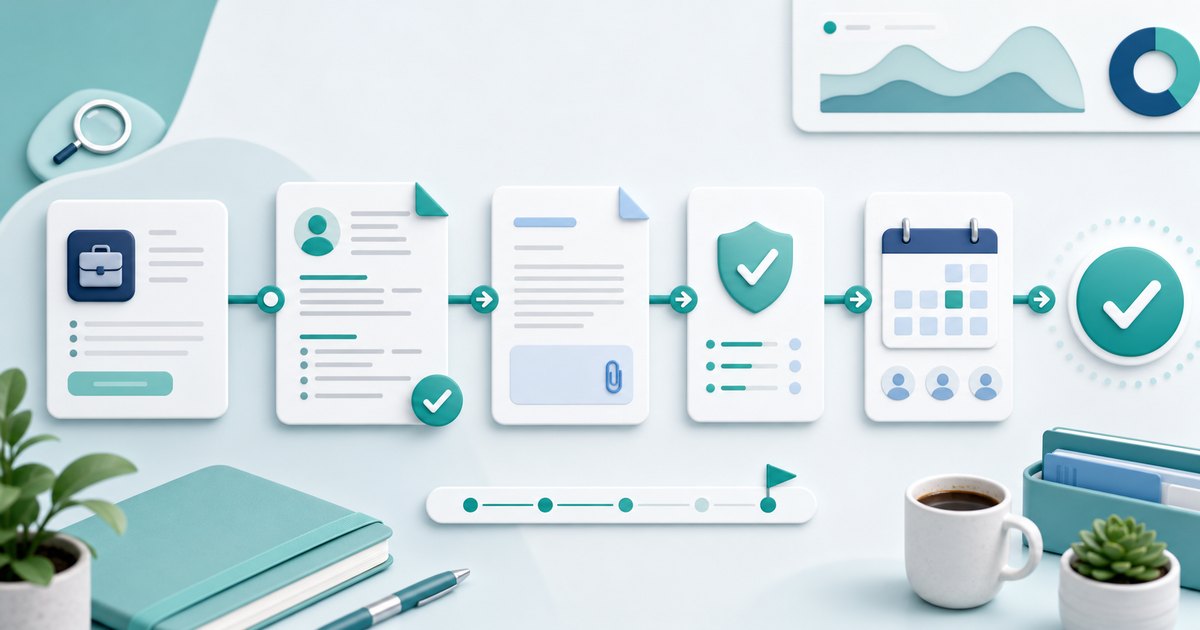
A useful job search plan helps you choose relevant opportunities, prepare evidence, and keep track of next steps. It cannot promise a hiring timeline or a fixed response rate.
Start with a schedule you can sustain alongside work, study, caregiving, or other commitments. The plan below is an example, not an application quota.
Choose a Clear Target
Write down a target role, location or remote-work preference, and any essential constraints. Read several current listings to understand how employers describe the work.
For example, a junior data analyst might prioritize SQL, spreadsheet analysis, and dashboard projects. A backend developer might prioritize APIs, databases, testing, and service reliability. Avoid adding tools you have not used just because they appear in a listing.
Build a Master Resume, Then Tailor It
Keep a master draft with your experience and projects. For each application, select the evidence that addresses that role.
Illustrative example:
- Job requirement: prepare recurring SQL reports for operations teams.
- Existing note: helped the support team with reports.
- Revised bullet, if accurate: Prepared weekly SQL reports for the support team and documented recurring data-quality issues.
This rewrite makes the work clearer without inventing a percentage improvement or changing your level of responsibility. Use the resume-tailoring guide for the broader process.
Try a Manageable Weekly Schedule
- Monday: review new listings and choose a small shortlist.
- Tuesday: tailor and submit the strongest matches; save each job description.
- Wednesday: update a relevant project or prepare interview examples.
- Thursday: contact a few people with specific questions about the work.
- Friday: review replies, follow-up dates, and what to change next week.
If you have limited time, combine these into two focused sessions. Hiring cycles differ; a quiet week is not proof that your resume is failing.
Use an Application Tracker
Record the company, role, job URL, application date, resume version, status, and next action. Store the tracker privately if it contains contact details or other personal information.
For example: Example Company; Junior Analyst; applied October 23; analyst-v2.pdf; awaiting response; check the employer's stated timeline.
Use that record to avoid duplicate applications and to prepare for interviews. Compare patterns over time rather than interpreting one rejection as a verdict on your skills.
Make Networking Specific
Ask about a role, team, or project instead of sending a generic request for a job. Do not assume a stranger can or should refer you.
Illustrative message:
Hi [Name], I saw your post about analytics in operations. I am moving from support into reporting and have built a small SQL dashboard project. If you have time, what skill would you prioritize for an entry-level analyst on your team? No problem if you are unavailable.
Keep your LinkedIn summary and resume consistent. Share public work only when you have permission; do not upload employer data to demonstrate a project.
Prepare for Interviews Before the Invitation
Choose examples of a problem you solved, a collaboration, and a mistake you learned from. For each, explain the situation, your contribution, the result, and what you would do differently.
Be precise about shared work. If you assisted a project lead, describe your contribution rather than presenting yourself as the lead.
Follow the Employer's Timeline
If an employer provides an update date, wait for it. If no timeline is given, a brief follow-up after a reasonable interval can ask whether there is an update. Respect instructions not to contact the team and avoid repeated messages.
A simple note can state the role, application date, continuing interest, and a request for the expected next step.
Review the Process, Not Just the Volume
Check whether the roles fit your background, your examples support their requirements, and your files open correctly. If you get interviews but no offers, interview preparation may deserve more attention than another formatting change.
Start with the free resume builder, save a backup of each tailored version, and use the ATS checker as a text review rather than a prediction of hiring success.